Our Services
Explore Our Expert Services
PMEGP LOAN APPLICATION
PMEGP stands for Prime Minister's Employment Generation Programme. It is a credit-linked subsidy scheme launched by the Government of India in 2008 to provide financial assistance to individuals and entrepreneurs for starting micro and small enterprises in the manufacturing and service sectors.
What is the maximum loan amount that can be availed under the PMEGP Scheme?
The maximum loan amount that can be availed under the PMEGP Scheme is up to Rs. 50 lakhs for manufacturing units and up to Rs. 20 lakhs for service sector units
What is the interest rate for the PMEGP Scheme?
The interest rate for the PMEGP Scheme is decided by the lending institution, which can be a bank or financial institution. The interest rate can vary from lender to lender
What is the repayment period for the loan availed under the PMEGP Scheme?
The repayment period for the loan availed under the PMEGP Scheme varies from 3 to 7 years, depending on the nature of the project
Can a borrower apply for the PMEGP Scheme without a project report?
No, a borrower cannot apply for the PMEGP Scheme without a project report. The project report is an essential document that outlines the viability and feasibility of the proposed enterprise
Can a borrower change the nature of the project after availing the PMEGP Scheme?
No, a borrower cannot apply for the PMEGP Scheme without a project report. The project report is an essential document that outlines the viability and feasibility of the proposed enterprise
Can a borrower prepay the loan availed under the PMEGP Scheme?
Yes, a borrower can prepay the loan availed under the PMEGP Scheme without any penalty or prepayment charges.
How long does it take for the loan to be disbursed under the PMEGP Scheme?
The loan disbursement under the PMEGP Scheme may take up to 2 to 3 months from the date of approval, depending on the completeness and accuracy of the documentation and other formalities.
PMFME LOAN APPLICATION
Overview
PMFME stands for the Prime Minister Formalization of Micro Food Processing Enterprises Scheme, which is a central sector scheme launched by the Ministry of Food Processing Industries (MoFPI) in 2020. The PMFME scheme aims to promote the growth and development of micro-food processing enterprises in the country by providing them with financial assistance and other support. The scheme is implemented through the National Small Industries Corporation (NSIC) and various other implementing agencies. The scheme provides a credit-linked subsidy of 35% of the eligible project cost, subject to a maximum of Rs. 10 lakhs per unit, for setting up new micro food processing units or for expansion/upgradation of existing units.Eligibility
Existing Micro Food Processing unit in operation. For Co-operative/FPO’s it should be engaged in processing of ODOP produce and minimum turnover of Rs. 1.00 crore. In case of SHG’s only SHG members that are presently engaged in Food processing would be eligible.Who is eligible for the PMFME scheme?
All micro food processing enterprises, including individual entrepreneurs, self-help groups, and cooperatives, are eligible for the scheme.
What is the application process for the PMFME scheme?
The application process for the PMFME scheme is online. Interested applicants can apply through the official website of the Ministry of Food Processing Industries or the nodal agency identified by the State/UT Governments
What is the duration of the PMFME scheme?
The PMFME scheme is a centrally sponsored scheme for a period of five years from 2020-21 to 2024-25.
What are the types of assistance provided under the PMFME scheme?
The types of assistance provided under the PMFME scheme include credit linked subsidy, technical assistance, business support, capacity building, and cluster development.
Can existing micro food processing enterprises also apply for the PMFME scheme?
Yes, existing micro food processing enterprises can apply for the PMFME scheme for the expansion or upgradation of their units.
Is there any age limit for applying under the PMFME scheme?
No, there is no age limit for applying under the PMFME scheme.
Can a micro food processing enterprise apply for the PMFME scheme for more than one project?
Yes, a micro food processing enterprise can apply for the PMFME scheme for more than one project, subject to the maximum subsidy limit of Rs. 10 lakhs per unit.
What is the repayment period for the loan taken under the PMFME scheme?
The repayment period for the loan taken under the PMFME scheme is a maximum of eight years, including a moratorium period of six months to one year.
Is collateral required for the loan taken under the PMFME scheme?
No, collateral is not required for the loan taken under the PMFME scheme. However, a personal guarantee is required from the promoter or entrepreneur.
Can micro food processing enterprises from all states/UTs apply for the PMFME scheme?
Yes, micro food processing enterprises from all states/UTs can apply for the PMFME schem
Is there any preference given to women entrepreneurs under the PMFME scheme?
Yes, the PMFME scheme gives preference to women entrepreneurs by providing a 5% additional subsidy to units owned or operated by women entrepreneurs.
STAND UP INDIA
Overview
The Stand-Up India Scheme is a government initiative launched by the Ministry of Finance, Government of India, in 2016 to support entrepreneurship among women and SC/ST communities. The scheme aims to promote entrepreneurship and create employment opportunities by providing financial assistance to eligible entrepreneurs.
The loan amount that can be availed under the Stand-Up India Scheme is up to Rs. 1 crore (Composite Loan of Term Loan & Working capital).
Eligibility
SC/ST and or Women Entrepreneurs above 18 years of age.
Loans under the Scheme are available for only green field projects.
In the case of non-individual enterprises,51% of the shareholding and controlling stake should be held by either SC/ST and/or Women Entrepreneur.
.
What kind of projects are eligible for the Stand-Up India Scheme loan?
The Stand-Up India Scheme loan supports projects in the manufacturing, trading, and service sectors. Some of the eligible sectors include food processing, handicrafts, textiles, healthcare, education, tourism, and retail trading, among others.
What is the interest rate applicable to Stand-Up India Scheme loans?
The interest rate applicable to Stand-Up India Scheme loans may vary from bank to bank, and it is subject to change from time to time
What is the repayment period for the Stand-Up India Scheme loan?
The repayment period for the loans sanctioned under the Stand-Up India Scheme may vary from 3 to 7 years, depending on the nature of the project and the cash flow projections
How can I apply for a Stand-Up India Scheme loan?
You can apply for a Stand-Up India Scheme loan online through the Stand-Up India portal. You need to submit the project report and other relevant documents online to the participating bank or financial institution for loan sanction.
Can a borrower apply for multiple loans under the Stand-Up India Scheme?
No, a borrower can apply for only one loan under the Stand-Up India Scheme. However, the loan can be used for multiple purposes, such as capital expenditure, working capital, and other related expenses
Is there any processing fee or prepayment penalty for Stand-Up India Scheme loans?
The processing fee and prepayment penalty for Stand-Up India Scheme loans may vary from bank to bank. It is advisable to check with the participating bank or financial institution for the exact details
How long does it take to get a Stand-Up India Scheme loan sanctioned?
The loan sanction process under the Stand-Up India Scheme may take anywhere from a few weeks to a few months, depending on the complexity of the project and the internal processes of the lending institution. It is advisable to plan ahead and apply well in advance to avoid any delays
What is the repayment period for Stand-Up India Scheme loans?
The repayment period for Stand-Up India Scheme loans may vary from bank to bank and depends on factors such as the project viability, cash flows, and the borrower's repayment capacity. However, the repayment period can be up to 7 years, with a moratorium period of up to 18 months
What is the collateral requirement for Stand-Up India Scheme loans?
The collateral requirement for Stand-Up India Scheme loans may vary from bank to bank and depends on factors such as the loan amount, the project viability, and the borrower's creditworthiness. However, the collateral requirement is usually lower than the standard commercial loans, and the loan can be availed without any collateral in some cases
Can a borrower avail of a Stand-Up India Scheme loan for a project in the agriculture sector?
No, a borrower cannot avail of a Stand-Up India Scheme loan for a project in the agriculture sector, as there are separate loan schemes available for agriculture-related projects
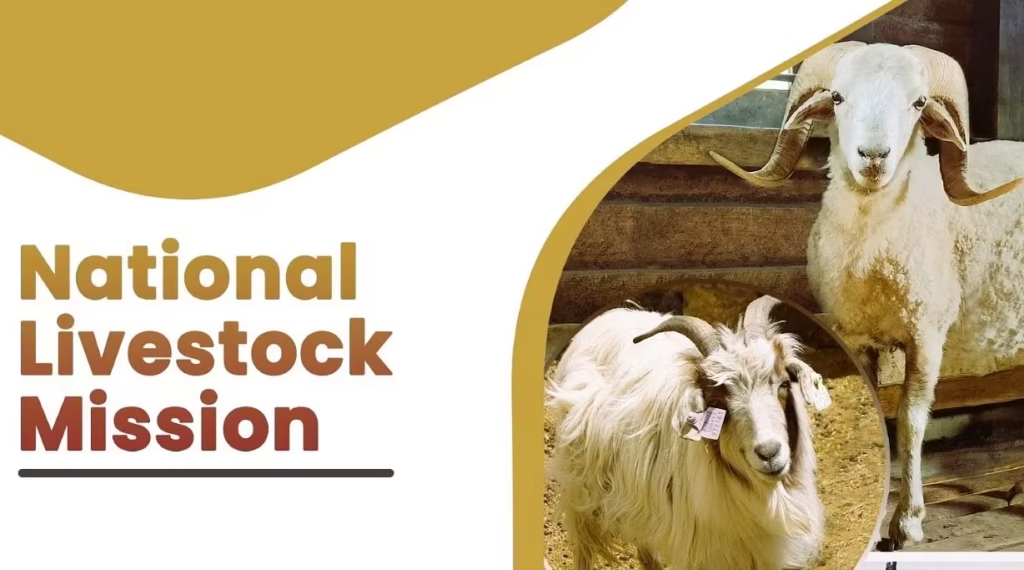
National Livestock Mission Loan Application
Overview
The National Livestock Mission (NLM) is a government initiative launched by the Ministry of Agriculture and Farmers Welfare in 2014. The aim of this mission is to promote sustainable development of the livestock sector, which includes cattle, buffalo, sheep, goats, pigs, and poultry.
Establishment of Entrepreneurship for breed development of Rural Poultry: The Central Government will provide a 50% capital subsidy maximum of up to Rs. 25.00 Lacs for the cost of the project for the establishment of a Parent Farm, Rural hatchery, and Mother Unit with minimum 1000 parent layers.
Establishment of Entrepreneur for breed development in the small ruminant sector (sheep and goat farming): The Central Government will provide up to 50% back-ended subsidy of up to Rs. 50.00 Lacs for the capital cost of the project
Promotion of Piggery Entrepreneur: Promotion of entrepreneurship & investment and creation of forward & backward linkages in the sector improvement of per animal productivity of pig population of the country through genetic upgradation. The Central Government will provide 50% up to Rs. 30 lakh capital subsidies towards the capital cost of the project.
What are the major components of NLM?
The major components of NLM include breed improvement, feed and fodder development, disease control, and marketing infrastructure development
Who is eligible for assistance under NLM?
Livestock farmers, breeders, entrepreneurs, cooperatives, and veterinary professionals are eligible for assistance under various schemes and programs of NLM.
How can one apply for assistance under NLM?
Interested stakeholders can apply for assistance under NLM by contacting the respective state animal husbandry department or visiting the official website of the Ministry of Agriculture and Farmers Welfare
What kind of financial assistance is provided under NLM?
NLM provides financial assistance in the form of subsidies on various inputs required for livestock farming, such as the purchase of milch animals, construction of animal sheds, and installation of milking machines.
Does NLM provide training and capacity-building programs?
Yes, NLM conducts various training and capacity building programs for livestock farmers, veterinary professionals, and other stakeholders to enhance their skills and knowledge
What is the duration of NLM?
The National Livestock Mission is a five-year scheme and is currently in operation till March 2025
Can individuals or groups apply for assistance under NLM for setting up livestock-related business?
Yes, individuals or groups who are interested in setting up livestock-related businesses, such as milk processing units, meat processing units, and animal feed manufacturing units, are eligible for assistance under NLM.
Does NLM provide any support for organic livestock farming?
Yes, NLM provides support for the development of organic livestock farming by promoting the use of natural inputs and practices in livestock production.
Is there any specific scheme under NLM for the promotion of poultry farming?
Yes, the NLM provides a specific scheme called the "National Programme for Bovine and Small Ruminant Genetic Resources and Poultry" for the promotion of poultry farming.
Does NLM provide any support for the development of dairy infrastructure?
Yes, NLM provides support for the development of dairy infrastructure such as milk collection centers, bulk milk coolers, and milk processing units.
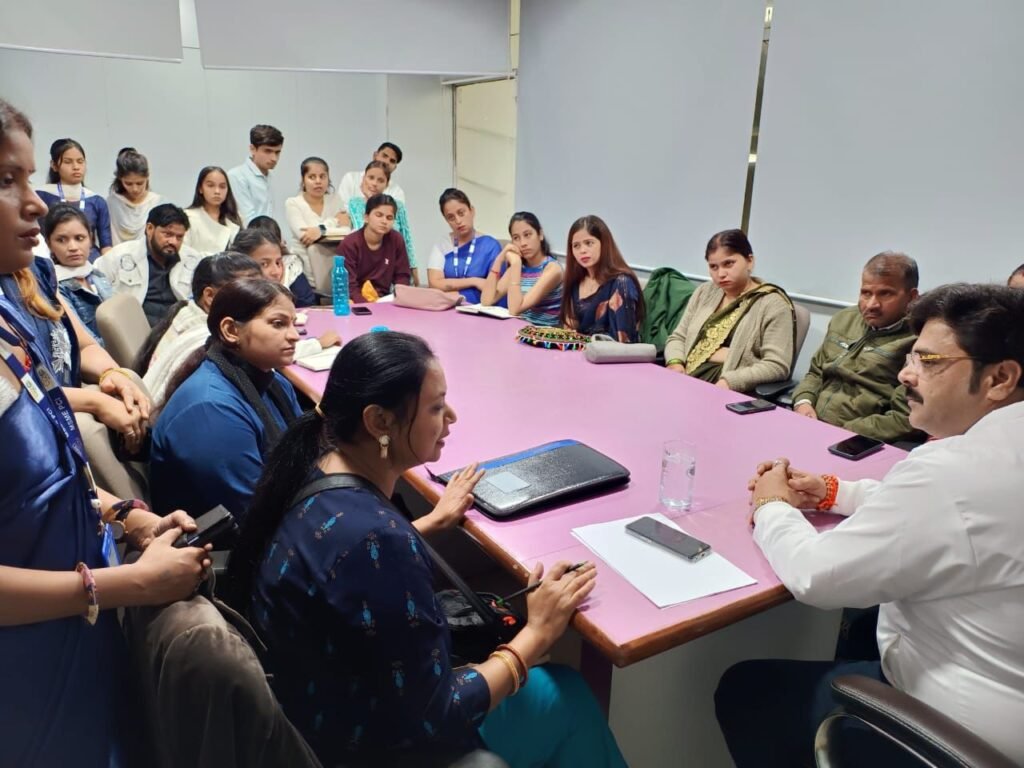
Business Registrations
- Private Limited company Incorporation
- one person company Incorporation.
- Public Limited company Incorporation.
- Producer company Incorporatίση.
- Limited Liability Partnership Formation
- Section 8 company Incorporation
- Private to puplic limited company Conversioη
- Private to one person conversion
- startup registration
- DSC Registratiom
Licenses & Approvals
- GST Registration
- Udyam Registration
- FSSAI-Basic
- FSSAI- State
- FSSAI- Central
- Import Export
- Tan
- PAN
- Shop Establishment
- Labour License
- NSIC registration
Credit Assistance
- PMEGP Loan Application
- PMFME ;Loan Application
- Standup India Loan application
- National Live stock & Mission Loan application
- Biomass Briquettes/Pellets
- CFA Application
- Cold Storage subsidy Apply
- Dairy Entrepreneurship Development Scheme (DEDS) Loan
- Food Processing Industry Subsidy (PM FME Scheme)
Cbil Report Facilities
- Individual Cibil report
- Complete cibil report
- Company Cibil
- Report/Partnership Deed
- PVTLTD cibil report
- Credit MSME Ranking Report [CMR Report]
- DPD update
Project Reports
- Prototype Project report
- Bank customization Project report
- 2 crto10cr
- 10 crto25cr
- above 25cr
- CMA data
- Government Subsidy & Grant Assistance
- GST, Income Tax, and Compliance Services